


The Question That Keeps Coming Up in Informed Patients
If you have been researching skin quality treatments for longer than six months, you have almost certainly encountered conflicting advice about whether to choose polynucleotides or Profhilo, or whether one has quietly made the other redundant. Clinic websites tend not to help. Many describe each treatment in isolation, paired with before-and-after photographs that bear little resemblance to the specific age range or concerns you are actually dealing with. The result is that well-informed patients arrive at consultations no clearer than when they started.
The honest clinical answer is that neither treatment makes the other obsolete. For many patients in their late forties and fifties, the most effective outcome comes from understanding when each is the stronger tool rather than picking a side out of convenience or because a practitioner happens to favour one over the other.
Two Distinct Mechanisms, Two Distinct Roles
Before comparing outcomes, it is worth being precise about what each treatment actually does, because the mechanisms differ considerably and that difference is clinically meaningful.
Profhilo is a high-concentration hyaluronic acid formulation, containing 64mg of HA in 2ml, that is injected at specific anatomical points to distribute beneath the skin. It does not fill or add volume in the way a traditional dermal filler does. Instead, it stimulates fibroblasts to produce collagen and elastin whilst simultaneously providing significant hydration. The result, visible over four to eight weeks after a two-session protocol, is improved skin texture, plumpness, and a restored radiance that reflects healthier dermal architecture.
Polynucleotides are derived from purified DNA fragments, most commonly sourced from salmon or trout, and they work through a fundamentally different biological pathway. Rather than delivering hydration or triggering collagen synthesis through mechanical stimulation, they promote cellular regeneration by binding to growth factor receptors at a structural level. They also carry a meaningful anti-inflammatory action, which matters considerably in patients with photo-ageing, chronic skin stress, or a history of cumulative UV damage. The improvement is more gradual and operates beneath the visible dermal layer that hyaluronic acid directly addresses.
Both treatments improve skin quality. They do so through distinct mechanisms that suit different patient profiles and, often, different areas of the face.
Which Concerns Each Treatment Addresses More Effectively
Patients with significant skin laxity and dehydration who want a relatively rapid, visible improvement in skin plumpness and surface texture often respond strongly to Profhilo as a first-line treatment. If your skin looks deflated, lacks radiance, and has lost the suppleness it held a decade ago, but structural laxity is moderate rather than severe, Profhilo alone may be sufficient for the current treatment cycle. The two-session protocol, typically spaced four weeks apart, is efficient and fits well into a busy professional schedule.
Patients dealing with more complex concerns see a different picture. Photo-ageing, persistent redness, uneven skin tone, or areas that have returned diminishing results from hyaluronic acid-based treatments over successive cycles are signs that something is happening at a cellular level that hydration alone cannot address.
Polynucleotides are designed precisely for this. They work more slowly, and patients should expect three sessions at monthly intervals before the full picture becomes clear, but the regenerative change they produce operates at a depth that HA formulations do not reach.
The difficulty arises for patients in their late forties managing both patterns simultaneously. Volume loss and dehydration are present, but so is cellular-level skin quality decline from years of accumulated environmental exposure. Relying on one treatment alone in this situation often leaves a visible gap in results, and that gap tends to be the source of the frustration experienced patients describe when they feel a treatment has underperformed.
Why the Clinical Detail Matters to You Specifically
A senior professional attending board meetings, industry events, and client functions needs results that are consistent and comprehensive. A partial improvement, where skin hydration has responded well but uneven tone and cellular dullness remain, is still a visible shortfall relative to the investment made. Several hundred pounds and several months represent a genuine commitment, and vague reassurances from a practitioner who has not properly assessed your skin history do not justify that commitment.
Understanding the mechanism of each treatment allows you to have a more productive conversation at consultation, set more accurate timelines for expected change, and hold a practitioner accountable if their recommendation lacks clinical reasoning. The question worth asking at any consultation is not simply which treatment the clinic offers but why they are recommending that particular approach for your facial anatomy and skin history at this point in time.
Why This Detail Rarely Appears in Standard Clinic Content
Many clinics describe both Profhilo and polynucleotides in isolation, without addressing the clinical rationale for choosing one over the other or sequencing them together. Some practitioners default to recommending one treatment based on what they carry most often or what they were most recently trained in, rather than what the patient's skin actually needs. That is a disservice to experienced patients who have arrived at a consultation already knowing the basic descriptions and wanting a more substantive conversation.
The more sophisticated question, when to combine, layer, or sequence these treatments, is rarely addressed in publicly available content. Polynucleotides can be administered alongside Profhilo in some protocols, or in a sequential programme where one treatment precedes the other by a number of weeks depending on the patient's baseline and the areas being treated. Knowing whether your practitioner has considered this level of clinical detail is a reasonable test of whether they are approaching your face as an individual case rather than a general preference.
How to Identify Which Treatment Belongs in Your Protocol
A useful starting framework: consider the primary concern driving your interest at this point in your skin's ageing trajectory.
- Skin that looks deflated and lacks radiance, with limited structural laxity and no significant history of sun damage: Profhilo alone is a reasonable starting point. Review results at eight weeks post-second session before adding anything else.
- Previous HA treatments that have delivered progressively less return, or skin showing signs of photo-ageing, persistent redness, or slow cellular turnover: Polynucleotides are worth a detailed clinical conversation, with realistic expectations about the three-to-four month timeline for visible change.
- Both patterns present simultaneously: A sequenced or combination treatment protocol is worth exploring with a clinician who can assess your facial anatomy in person. The sequencing decision should be based on your specific baseline, not a standard template.
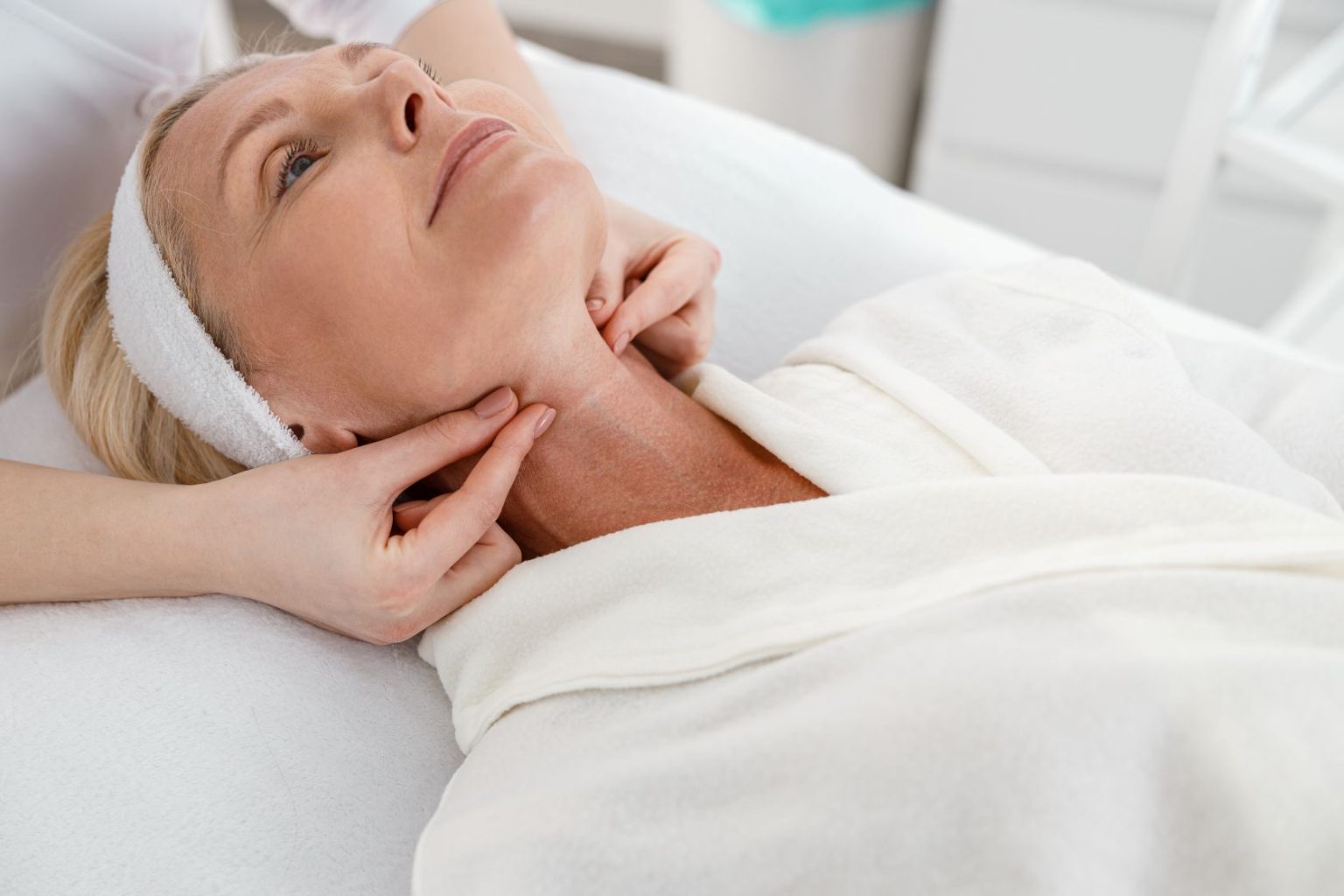
It is also worth noting that polynucleotides are frequently used for specific anatomical areas where skin is thinner or more sensitive, such as the under-eye region or the neck, where Profhilo's BAP (Bio Aesthetic Points) technique is less applicable. A practitioner who understands facial anatomy in detail will use each treatment where it is structurally appropriate, not apply both uniformly across the same zones.
How AL Aesthetics Approaches This Decision
At AL Aesthetics, practitioners carry out a thorough facial assessment before recommending either treatment. That assessment takes into account your skin history, previous treatment responses, areas of specific concern, and the degree of photo-ageing, laxity, or cellular decline present. The clinic offers both Profhilo and polynucleotides as part of individually designed treatment protocols across its Solihull, Wolverhampton, and Harley Street London locations.
Where the clinical picture supports it, the team can advise on sequencing both treatments or administering them in a coordinated programme. This is not a product-led approach shaped by stock availability or training recency. The recommendation is shaped by your face, your skin's history, and the outcome you are working towards. That distinction matters to patients who have had the experience of receiving a generic recommendation delivered confidently but without clinical depth behind it.
Detailed patient records are maintained across treatment cycles, so you are not repeating your history at each visit. If your skin responds differently to a protocol than expected, that change is noted and the plan is adjusted accordingly. For a patient managing a busy schedule, that level of clinical continuity is not a nice addition but a basic standard.
The Clearer Question to Ask Yourself
The productive question is not which treatment is better in the abstract. Profhilo and polynucleotides are not in competition. Both have a legitimate and well-evidenced place in a sophisticated treatment protocol. The relevant question is which belongs in yours, at this point in your skin's ageing trajectory, and in which combination or sequence.
That answer requires an in-person clinical assessment from a practitioner who will look at your face rather than a preferences list. To receive that assessment and a clinical recommendation built around your specific concerns, book a consultation with AL Aesthetics. Come prepared with your treatment history. The conversation will be more useful for it.