Our Clinics
AL Aesthetics – London
Saturday: 10am-4pm
Sunday: Closed
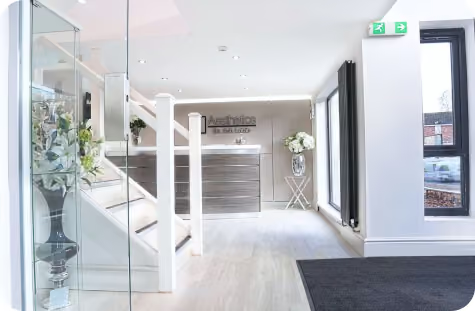
AL Aesthetics – Solihull
Saturday: 10am-4pm
Sunday: Closed
AL Aesthetics – Wolverhampton
Saturday: 10am-4pm
Sunday: Closed


A calmer, more even complexion, managed with care
Doctor-led clinic | CQC Registered | Rated 5★ by our patients
Melasma treatment in Solihull built around your skin, because hormonal pigmentation needs a measured, long-term plan.

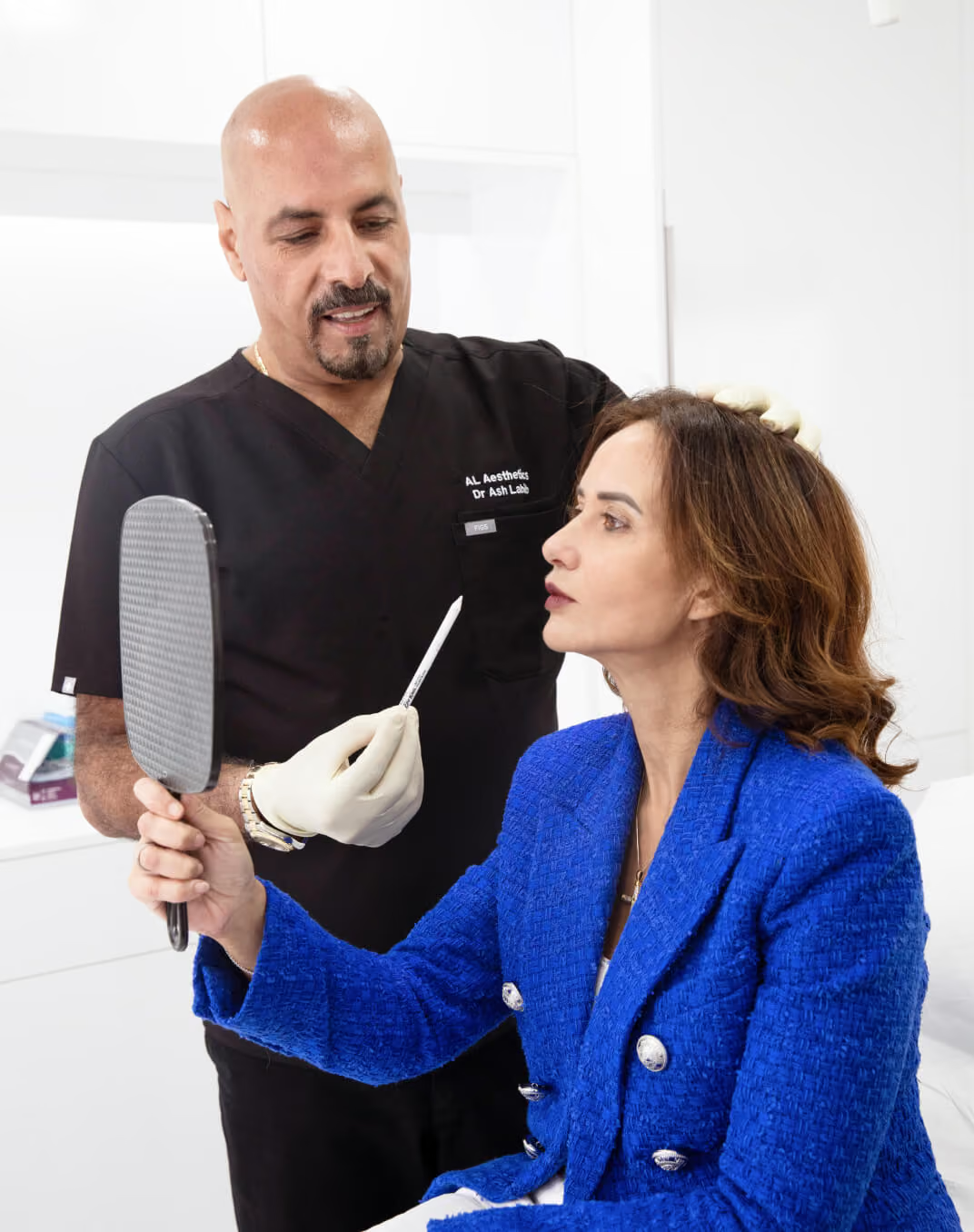
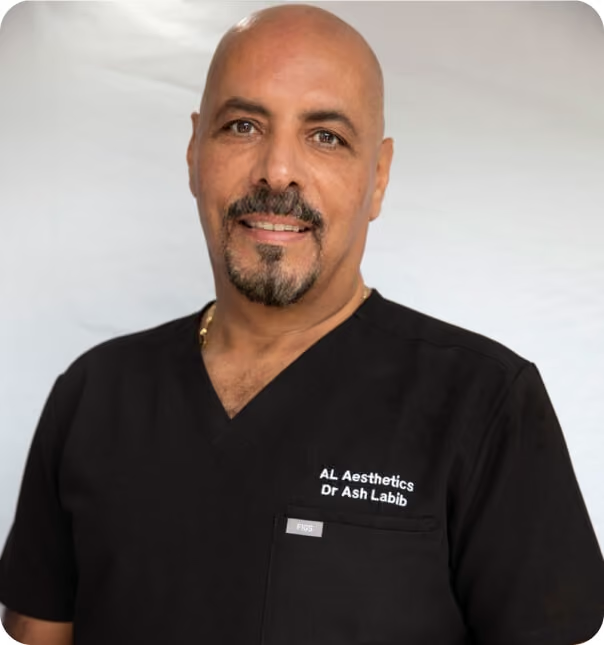
Dr. Ash Labib
GMC No. 4165530
25+ Years NHS Surgical Experience
Minor Surgery & Skin Lesion Specialist
Special Interest in Facial Aesthetics & Rhinoplasty
Doctor-Led Melasma Treatment at AL Aesthetics Solihull
Your melasma treatment consultation at AL Aesthetics Solihull is led by Dr Ash Labib (GMC 4165530), an Aesthetic Doctor with 25+ Years NHS Surgical Experience.
Melasma is a form of pigmentation that commonly appears as brown or grey-brown patches on the face, often affecting the cheeks, forehead, upper lip or jawline. It can be influenced by sun exposure, hormones, pregnancy, certain medications, skin type and previous inflammation, which means treatment needs careful assessment and ongoing skin management.
Before any treatment plan is recommended, Dr Ash Labib will assess your pigmentation pattern, skin type, medical history, triggers, current skincare routine and suitability for treatment. He will also consider whether your concern is melasma, post-inflammatory pigmentation, sun damage or a combination of pigmentation concerns.
This doctor-led approach helps ensure your melasma treatment plan is safe, realistic and tailored to your skin type, pigmentation depth and long-term skin health.
Why This Matters
- GMC-registered doctor: Dr Ash Labib, GMC No. 4165530
- 25+ Years NHS Surgical Experience
- Doctor-led pigmentation and skin assessment
- Melasma, sun damage and post-inflammatory pigmentation considered separately
- Suitability assessed before treatment is recommended
- Clear advice on sun protection, aftercare and realistic expectations
- Personalised approach based on skin type, pigmentation pattern and triggers
Overview
Melasma can be frustrating: it often appears gradually, returns easily and becomes more noticeable after sun, heat or hormonal changes. It usually shows as brown or grey-brown patches on the cheeks, forehead, upper lip and jawline. At AL Aesthetics in Solihull, every melasma plan begins with a detailed skin assessment, because the condition is complex and responds best to careful, long-term management rather than a quick fix.
What is melasma?
Melasma is a form of hyperpigmentation that appears as patches of darker pigment, often symmetrical, commonly on the cheeks, forehead, upper lip and chin. It is sometimes called hormonal pigmentation because it can be influenced by hormonal changes, pregnancy or contraception, and it is often triggered or worsened by UV and heat.
What causes melasma?
Melasma is linked to overactivity of the skin's pigment-producing cells. Common contributors include sun exposure, visible light, heat, hormonal changes, pregnancy, contraceptive use, genetics and inflammation. Because it is prone to recurrence, treatment focuses on long-term management, and sun protection and homecare are essential.

Signs of melasma
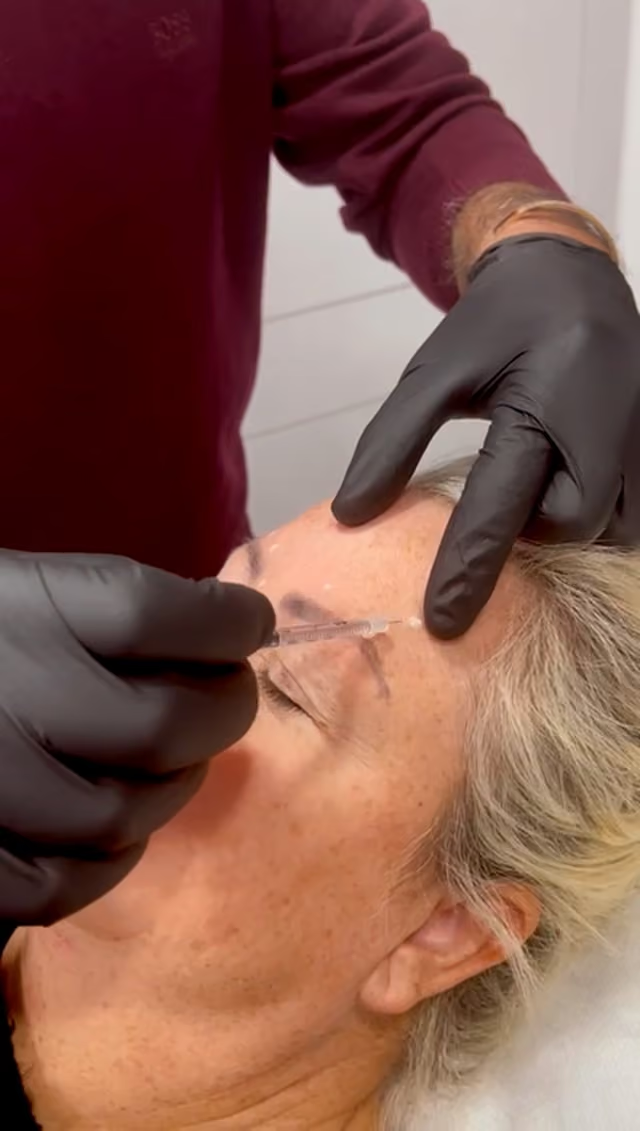
Melasma appears as brown, grey-brown or darker patches, usually flat rather than raised, often on the cheeks, forehead, upper lip, nose or jawline. It can look more noticeable in summer or after heat. If you have a changing mole, an unusual lesion or a sudden skin change, please seek medical review before any aesthetic treatment.

How we assess your skin
We review where the pigmentation appears, how long it has been present, possible triggers, hormonal factors, your skin type, previous treatments, current products and sun habits. We also work out whether the concern is melasma, general pigmentation, post-inflammatory pigmentation or a combination, because each responds differently.
Treatments that may help melasma
- PRX T33: May help improve the look of uneven tone, dullness and overall skin quality, with limited visible peeling for many people. Suitability depends on your skin type and melasma pattern.
- Skin Pen Microneedling: Used carefully and only where appropriate, as part of a broader pigmentation plan, because inflammation can worsen pigmentation in some skin types.
- NCTF Skin Revitalisation: May support hydration, radiance and skin quality so the complexion looks fresher and more even.
- ZO Skin Health Facial and homecare: May support pigment control, exfoliation, barrier function and daily maintenance. Strict SPF is especially important for melasma.
Recommended skincare for melasma
Melasma skincare centres on daily broad-spectrum SPF, pigment-supporting ingredients, barrier care and consistency. Sunscreen should be worn every day, even when cloudy, and reapplied when needed. Your practitioner may recommend ZO Skin Health products to support your in-clinic plan and reduce the chance of flare-ups from irritation or sun.
Our approach
Melasma needs a measured, patient approach. We assess thoroughly before recommending treatment and explain why long-term maintenance matters, so expectations are realistic from the start.
Why choose AL Aesthetics?
Personalised treatment planning, professional skincare guidance and honest advice for managing a recurrent, hormone-linked concern.
Consultation CTA
Concerned about melasma or hormonal pigmentation? Book a skin assessment at AL Aesthetics in Solihull. We will assess your skin and recommend a personalised plan to support a more even-looking complexion.
Your Consultation – what to expect.
Initial Consultation
Your Treatment
Specialist Aftercare
Frequently Asked Questions
Will I need skincare as well as treatments?
Usually, yes. Consistent homecare and SPF are central to managing melasma and maintaining results.
Is melasma treatment suitable for darker skin tones?
Treatment can be tailored for different skin tones, with extra care taken to avoid irritation and post-inflammatory pigmentation.
Can melasma get worse after treatment?
If skin is irritated or exposed to sun and heat, melasma can worsen. That is why careful treatment selection and strict aftercare matter.
Is melasma the same as pigmentation?
Melasma is a type of pigmentation, often linked to hormones and to sun or heat. A consultation helps identify exactly which type you have. See our pigmentation treatment page for general pigmentation.
Can melasma be cured?
Melasma can be managed but is often recurrent. Treatment aims to reduce the appearance of pigmentation and support long-term maintenance with skincare and sun protection.

Enhance your Natural Beauty
with


Your Skin. Your Plan.
Your Membership.