Our Clinics
AL Aesthetics – London
Saturday: 10am-4pm
Sunday: Closed

AL Aesthetics – Solihull
Saturday: 10am-4pm
Sunday: Closed
AL Aesthetics – Wolverhampton
Saturday: 10am-4pm
Sunday: Closed


More even tone, from a plan that suits your skin
Doctor-led clinic | CQC Registered | Rated 5★ by our patients
Pigmentation treatment in Solihull for sun damage, dark marks and uneven tone, always starting with an assessment.


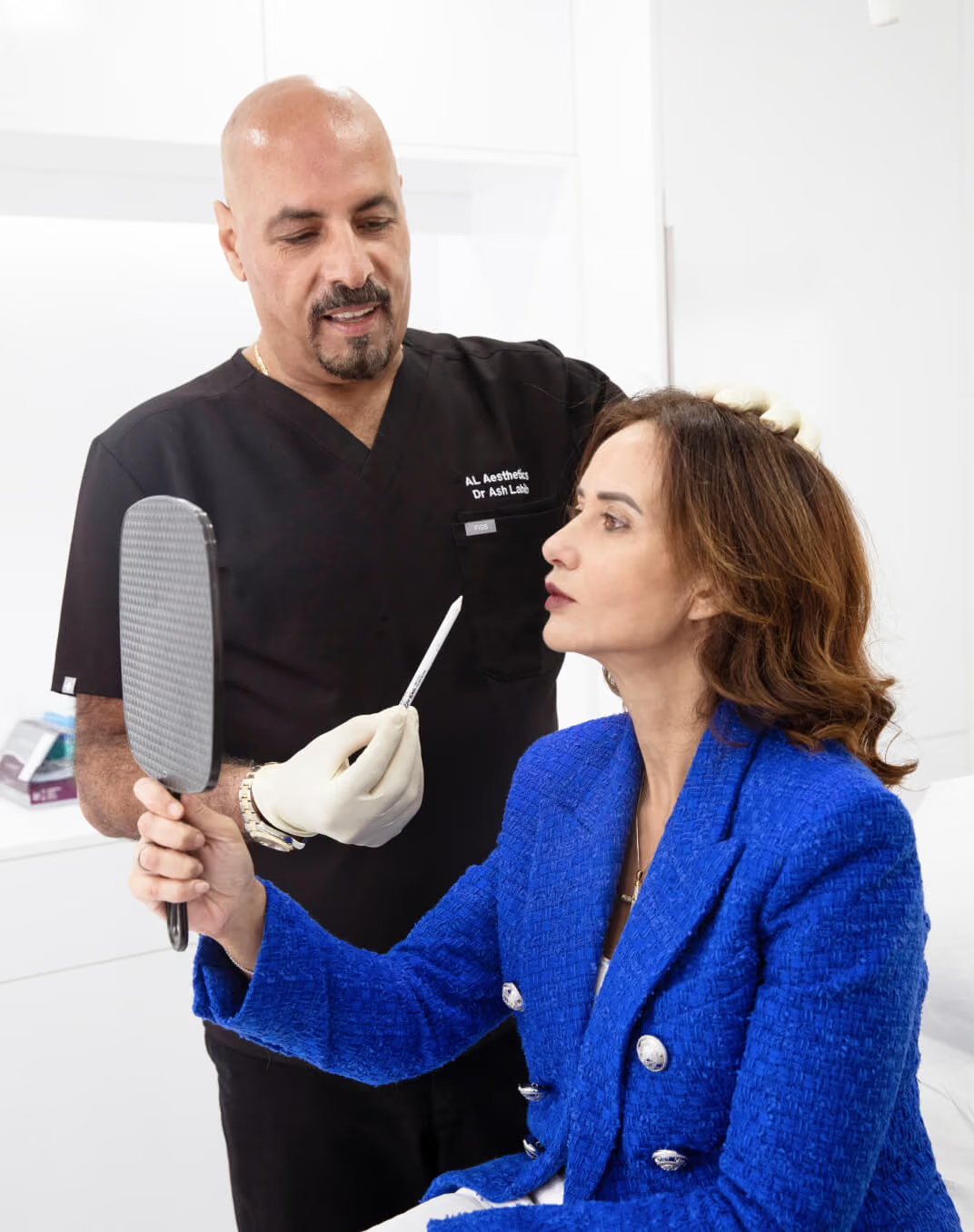
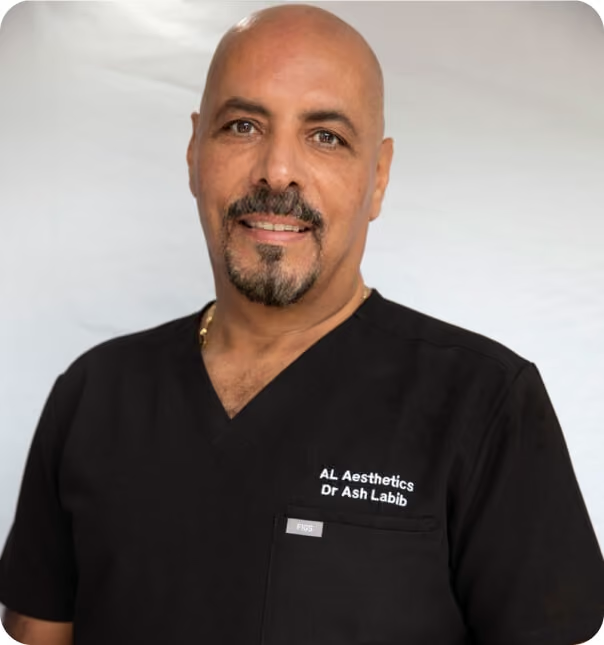
Dr. Ash Labib
GMC No. 4165530
25+ Years NHS Surgical Experience
Minor Surgery & Skin Lesion Specialist
Special Interest in Facial Aesthetics & Rhinoplasty
Doctor-Led Pigmentation Treatment at AL Aesthetics Solihull
Your pigmentation treatment consultation at AL Aesthetics Solihull is led by Dr Ash Labib (GMC 4165530), an Aesthetic Doctor with 25+ Years NHS Surgical Experience.
Pigmentation can appear in different forms, including sun spots, uneven skin tone, post-inflammatory pigmentation, melasma-like patches, age spots and marks left after acne or skin irritation. Because different types of pigmentation need different treatment approaches, a careful skin assessment is important before any treatment is recommended.
Before creating a treatment plan, Dr Ash Labib will assess your pigmentation pattern, skin type, skin tone, medical history, lifestyle factors, sun exposure, current skincare routine and suitability for treatment. He will also consider whether your concern is pigmentation, melasma, sun damage, acne marks or a combination of skin concerns.
This doctor-led approach helps ensure your pigmentation treatment is planned safely, realistically and around your skin type, pigmentation depth and long-term skin health.
Why This Matters
- GMC-registered doctor: Dr Ash Labib, GMC No. 4165530
- 25+ Years NHS Surgical Experience
- Doctor-led pigmentation and skin assessment
- Melasma, sun damage, acne marks and uneven skin tone considered separately
- Suitability assessed before treatment is recommended
- Clear advice on sun protection, aftercare and realistic expectations
- Personalised approach based on skin type, pigmentation pattern and treatment goals
Overview
Uneven tone, dark marks, sun damage and patches of pigmentation can make skin look dull or inconsistent. Pigmentation can build gradually or appear after breakouts, inflammation, sun or hormonal changes. At AL Aesthetics in Solihull, pigmentation plans are based on the type of pigmentation present, your skin tone, sensitivity and goals, so the approach is matched rather than generic.
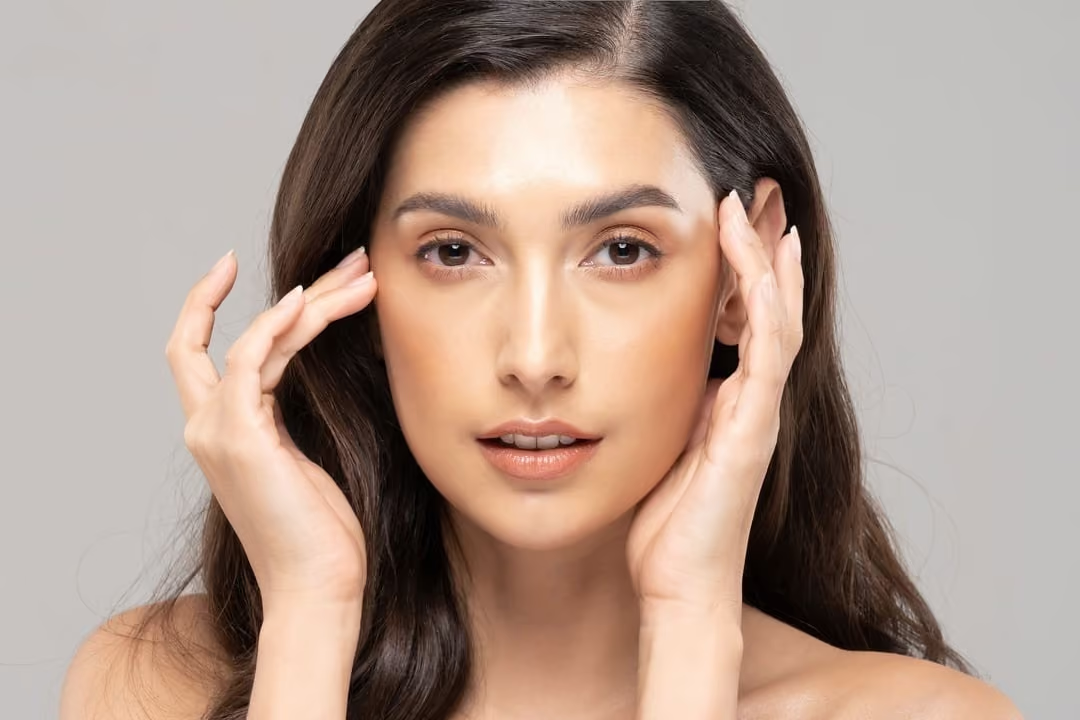
What is skin pigmentation?
Pigmentation is the colour in your skin created by melanin. Hyperpigmentation happens when areas produce more melanin, so patches or marks look darker than the surrounding skin. Common types include sun damage, age spots, post-inflammatory pigmentation after acne or irritation, uneven tone and melasma. Each behaves differently, so correct assessment comes first.
What causes pigmentation?
Pigmentation may be caused or worsened by sun exposure, inflammation, acne, skin injury, hormonal changes, heat, genetics, some medications or harsh skincare. UV is one of the biggest contributors to uneven tone and sun damage. Some pigmentation is superficial and responds gradually; deeper or hormone-linked pigmentation needs longer-term management and ongoing SPF.

Signs of pigmentation
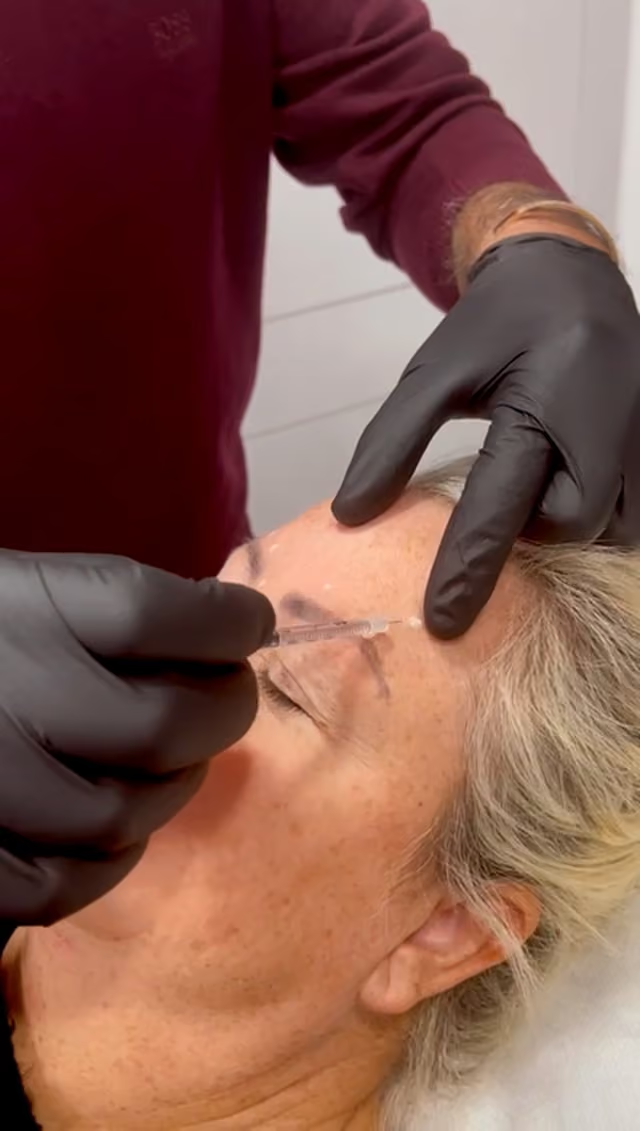
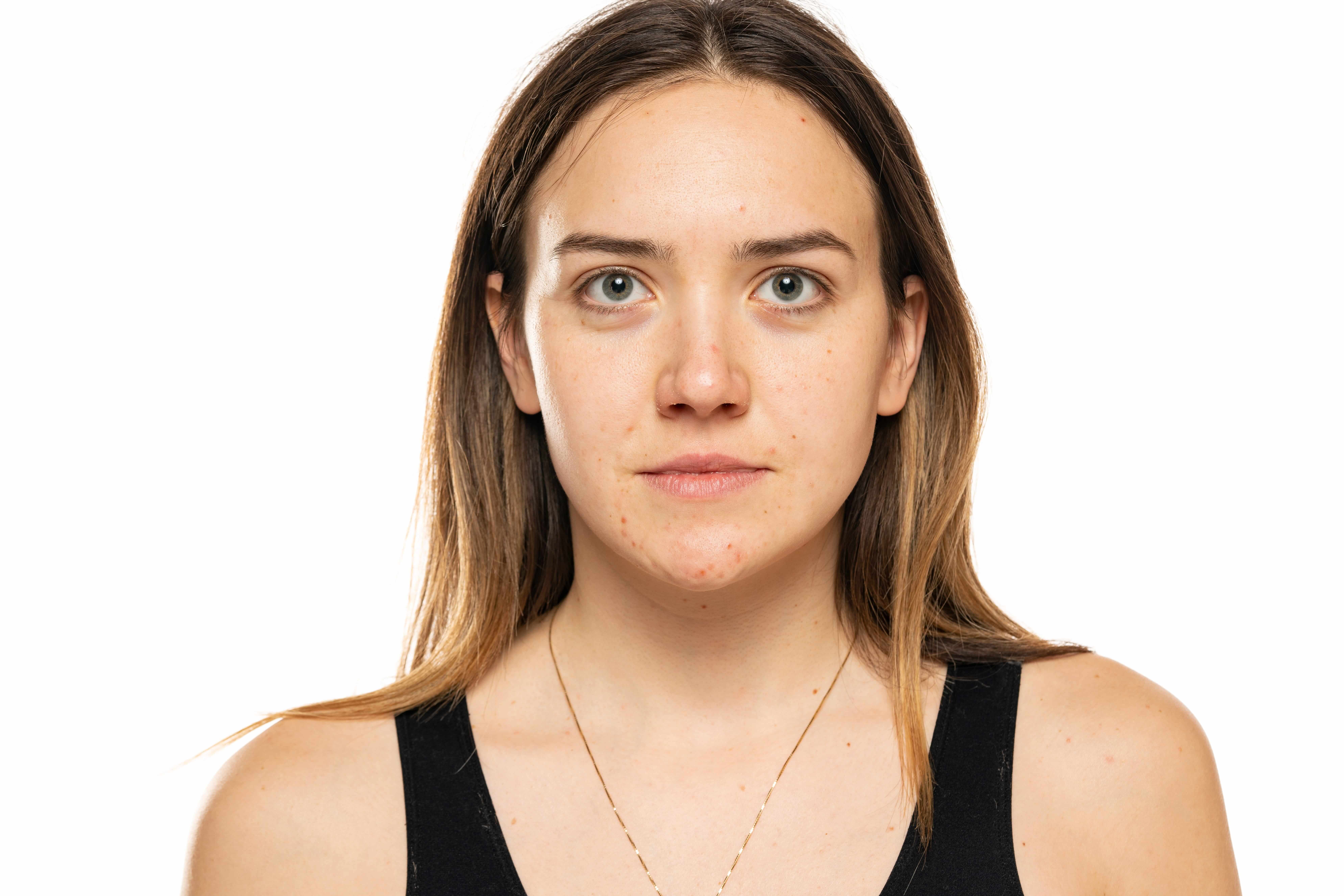
You may notice brown patches, dark marks after spots, freckles, sun spots, age spots, uneven tone or dullness, often around the cheeks, forehead, upper lip, jawline or hands. Any mole, freckle or patch that changes in size, shape, colour or texture, or starts bleeding, should be checked medically before aesthetic treatment.

How we assess your skin
We identify the type, location and pattern of pigmentation, and review your skin tone, sensitivity, sun exposure, current skincare, previous treatments and whether pigmentation worsens after inflammation or heat. This helps us choose treatments that improve the look of uneven tone while keeping the risk of irritation low.
Treatments that may help pigmentation
- PRX T33: May help improve dullness, uneven tone and overall skin quality, with minimal visible peeling for many people.
- Skin Pen Microneedling: Can support skin renewal and improve the look of texture and pigmentation in selected cases, with suitability based on skin type and pattern.
- NCTF Skin Revitalisation: May support hydration, radiance and skin quality for a fresher, more even-looking complexion.
- ZO Skin Health Facial and homecare: Can support pigment management, exfoliation, cell turnover and daily SPF habits as part of a long-term plan.
Recommended skincare for pigmentation
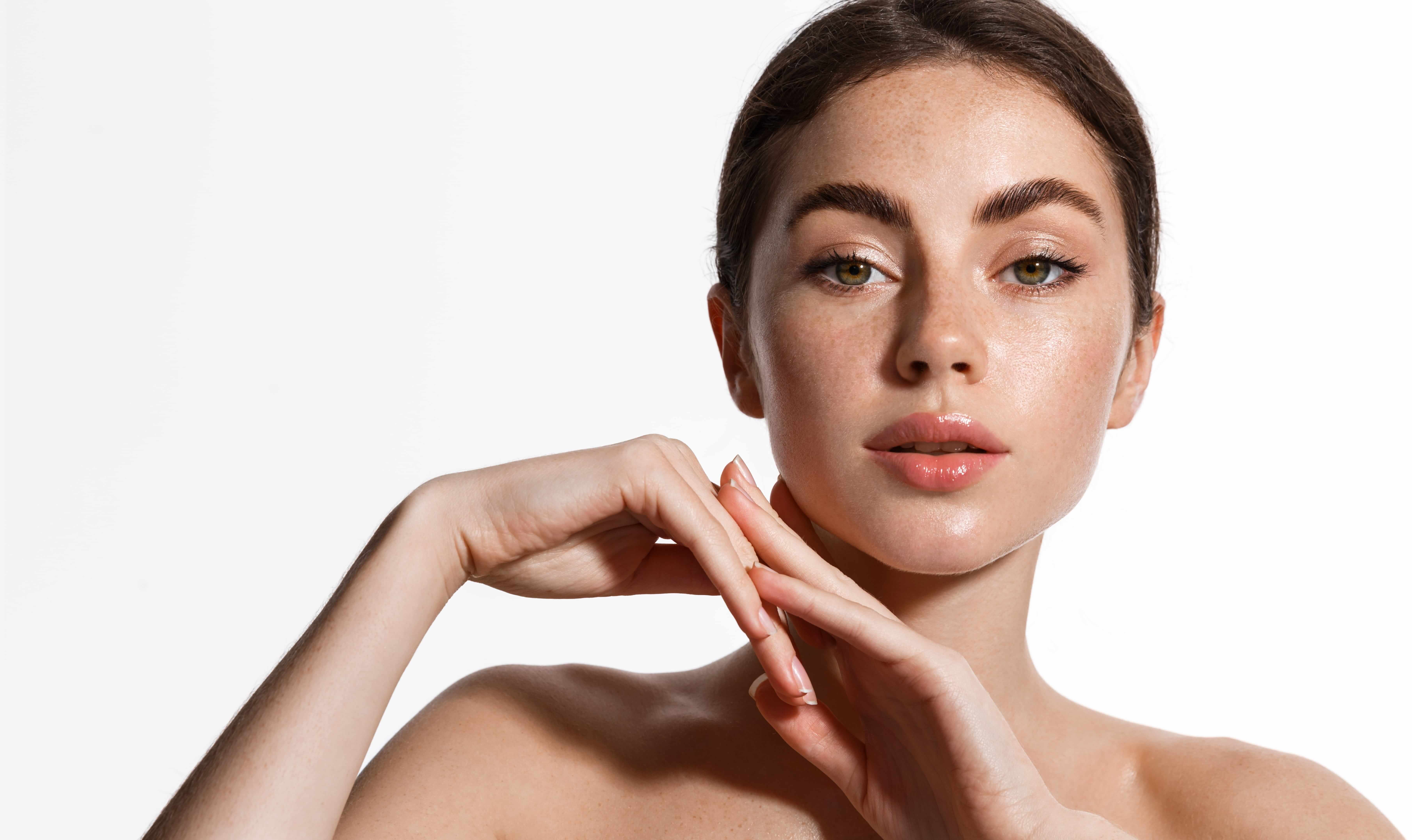
Pigmentation-prone skin needs consistent sun protection and a carefully chosen routine. Daily broad-spectrum SPF is essential, since UV makes pigmentation look darker and reduces the impact of treatment. Your plan may include ZO Skin Health products to support exfoliation, tone correction, antioxidant protection and barrier health.
Our approach
We start by understanding why the pigmentation developed and how your skin is likely to respond, then tailor treatment and homecare for safer, more consistent improvement.
Why choose AL Aesthetics?
Professional skin assessment, tailored plans and ongoing skincare advice for a concern that rewards a careful, consistent approach.
Consultation CTA
Concerned about pigmentation, sun damage or uneven tone? Book a skin assessment at AL Aesthetics in Solihull and we will recommend a personalised plan.
Your Consultation – what to expect.
Initial Consultation
Your Treatment
Specialist Aftercare
Frequently Asked Questions
Is melasma treated on this page?
Melasma is a specific, hormone-linked form of pigmentation. If we suspect melasma, we may direct you to a dedicated melasma treatment plan.
How long does pigmentation treatment take?
Pigmentation usually improves gradually, so a course of treatments and consistent homecare are often needed.
Is pigmentation treatment suitable for darker skin tones?
Yes. Treatment is tailored for different skin tones, with careful selection to minimise irritation and post-inflammatory pigmentation.
Can sun damage be improved?
The appearance of sun damage and uneven tone may improve with professional treatment and skincare, but daily SPF is essential to protect the skin.
What is the best treatment for pigmentation?
It depends on the type of pigmentation, your skin tone and the triggers. After assessment, PRX T33, SkinPen microneedling, NCTF Skin Revitalisation or a ZO Skin Health routine may be considered.
Related Treaments
Enhance your Natural Beauty
with



Your Skin. Your Plan.
Your Membership.